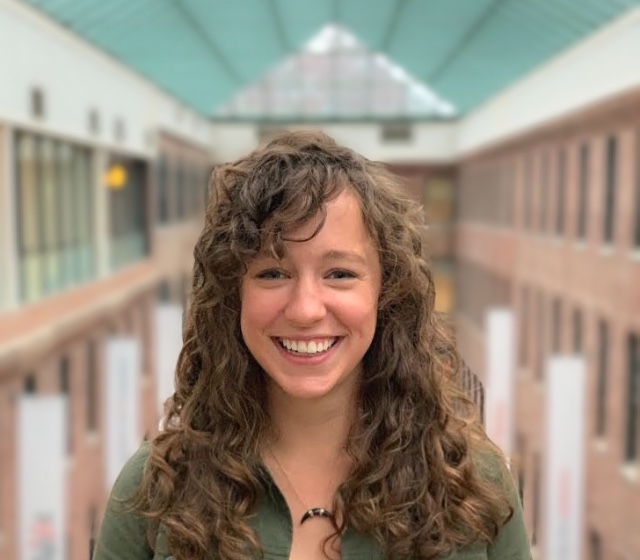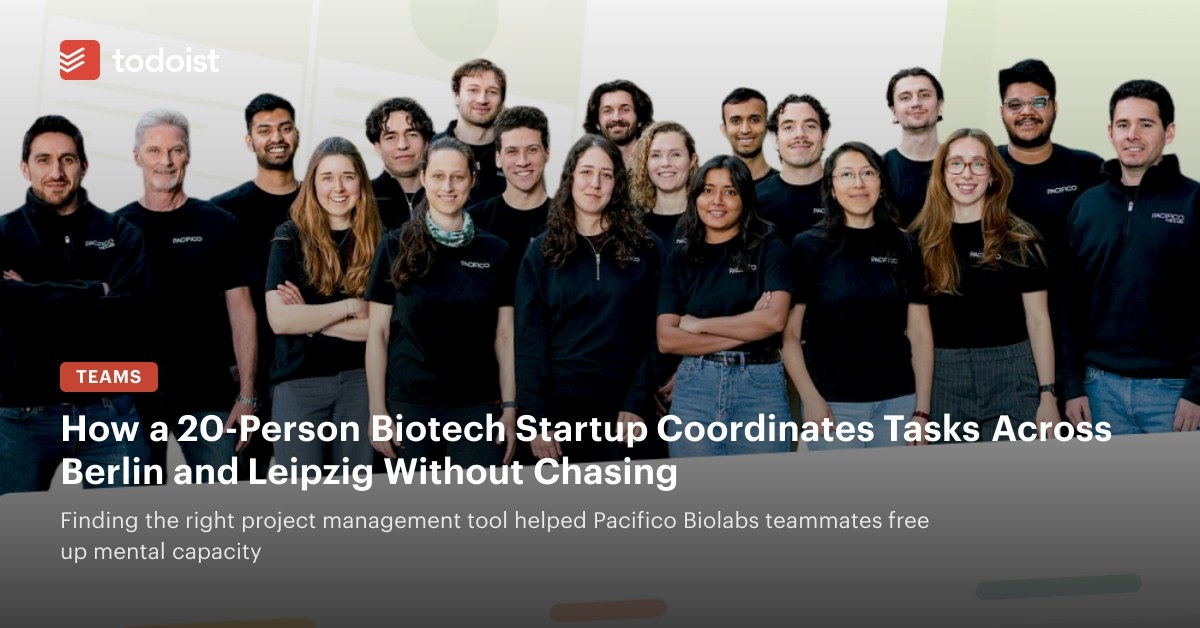
At Pacifico Biolabs, a startup growing fungi for meat alternatives, founder’s associate Alejandro Giribás Makki works across strategy, operations, sourcing, vendor coordination, and onboarding. He describes the role as a lighter version of a founder's experience: learning to structure unfamiliar problems and contribute without necessarily being the expert.
With more than 20 people working across Berlin and Leipzig, the company needs a central place to coordinate shared tasks. For Alejandro, Todoist also reduces mental load. He says that recording information and commitments in a low-friction system frees capacity while helping ensure nothing is missed.
Coordinating work through assigned tasks
One of Alejandro's major responsibilities is helping Pacifico move from small-lab operations to its first fully commercial production site. The project involves equipment sourcing, regulatory requirements, and colleagues responsible for different parts of the work.
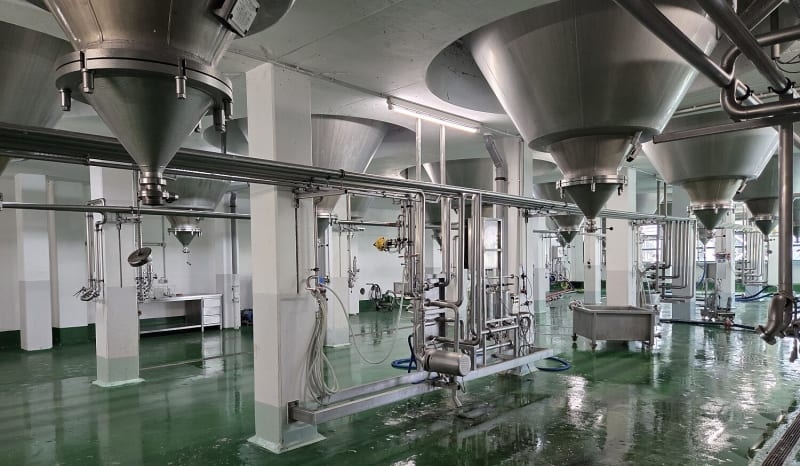
Sourcing a large industrial mixer illustrates the coordination involved. Product scientists specify what is needed; Alejandro investigates suppliers, timing, and cost; commercial colleagues assist with sourcing. Each contribution must remain aligned with the product team's requirements.
Alejandro says Todoist helps operational colleagues bring those contributions together by assigning tasks and working collaboratively.
Why the team switched from Asana
When Alejandro joined, Pacifico used Asana, but he felt it suited other use cases better, cost considerably more, and saw little use within the team.
He had discovered Todoist through YouTube videos years earlier and considered it straightforward yet capable, with a reasonable price. To introduce it to colleagues, he sent a short email linking to several explanatory videos.
Seeing completion without chasing updates
Adoption was not immediate for everyone. One colleague initially held back, but Alejandro raised the idea again as she became more involved in shared projects. She tried assigning him a task and received a notification when he completed it, without needing to follow up.
According to Alejandro, that experience persuaded her of its usefulness the same day. For him, this visibility is the main benefit of shared task management: not monitoring people, but knowing a request has been captured, assigned, and acknowledged as part of someone's work.
Three lessons from Pacifico Biolabs' Todoist workflow
1. Capture in Inbox, then organize later
Alejandro uses Inbox on mobile to record tasks without adding priorities, labels, or structure. He organizes those entries later on desktop rather than treating Inbox as his working to-do list.
2. Make Today view the daily starting point
Each morning, he works from Today view and narrows it to the tasks that genuinely need attention. This keeps a backlog of hundreds of items from obscuring the few that matter immediately.
3. Keep the setup simple
Although Alejandro considered extensive labels and filters, he abandoned most of them early. Clear priorities and inbox management provide what he describes as the 80% functionality he needs; the remaining features are useful extras rather than essentials.