Most projects involve interconnected tasks and subtasks rather than a simple checklist. Managing that work requires understanding which milestones must come first and how each activity affects the next. Project management software helps teams define, visualize, and track these relationships so that work starts and finishes according to its prerequisites.
Understanding task dependencies
A task dependency is a sequencing relationship between activities. A dependent task needs one or more other tasks to start or finish before its own work can begin.
Getting these relationships right is essential to efficient project delivery. In apartment construction, the foundation must precede the individual units, while walls and plumbing must be in place before kitchen cabinets can be installed. Likewise, software developers must finish coding a feature before quality assurance testing can begin, and a product launch needs approved marketing materials and secured inventory.
Mapping dependencies early helps project managers build realistic schedules, assign resources, and recognize risks before they disrupt delivery.
Essential dependency terminology
Critical path
The critical path is the longest sequence of dependent tasks required to complete a project. For an apartment building, it might be: obtain permits → excavate site → pour foundation → frame structure → install roof → complete exterior walls → finish interior systems.
Knowing this sequence helps teams prioritize work and avoid delays that affect completion. Tasks outside the critical path have some flexibility, known as float time: they can slip slightly without changing the overall deadline.
Blockers
A blocker is anything that prevents project work from moving forward. Examples include staff illness, outstanding client approvals, server outages, and delayed vendor deliveries. Recognizing possible blockers early supports risk planning and helps protect the schedule.
Project constraints
Constraints establish the boundaries for a project and its tasks. Cost, timeline, and scope are the most common. Defining and balancing all three helps prevent late delivery, overspending, and uncontrolled scope growth.
Why dependencies deserve attention
Dependencies give a project its logical structure, connecting tasks into a workable schedule rather than leaving them as isolated activities.
- More accurate timelines: Mapping prerequisites exposes fragile handoffs and cascading delays, allowing teams to set stakeholder expectations before dates become commitments.
- Better resource allocation: Task sequences and duration estimates make resource planning easier. An integrated platform such as monday.com can connect resource tracking with scheduling—for example, by automatically emailing contractors to confirm availability before their work begins.
- Earlier risk planning: External dependencies can create bottlenecks, resource problems, and unexpected schedule changes. Recording them in a project risk register gives stakeholders time to assess the impact and prepare contingencies. Software such as monday.com can also provide a visual way to organize and track dependencies.
Four time-based task dependency types
A project may contain dozens of dependencies, with relationships changing across its phases. The following table describes the four common time-based types, their typical uses, and examples.
| Dependency type | What it means | When it’s used | Simple example |
|---|---|---|---|
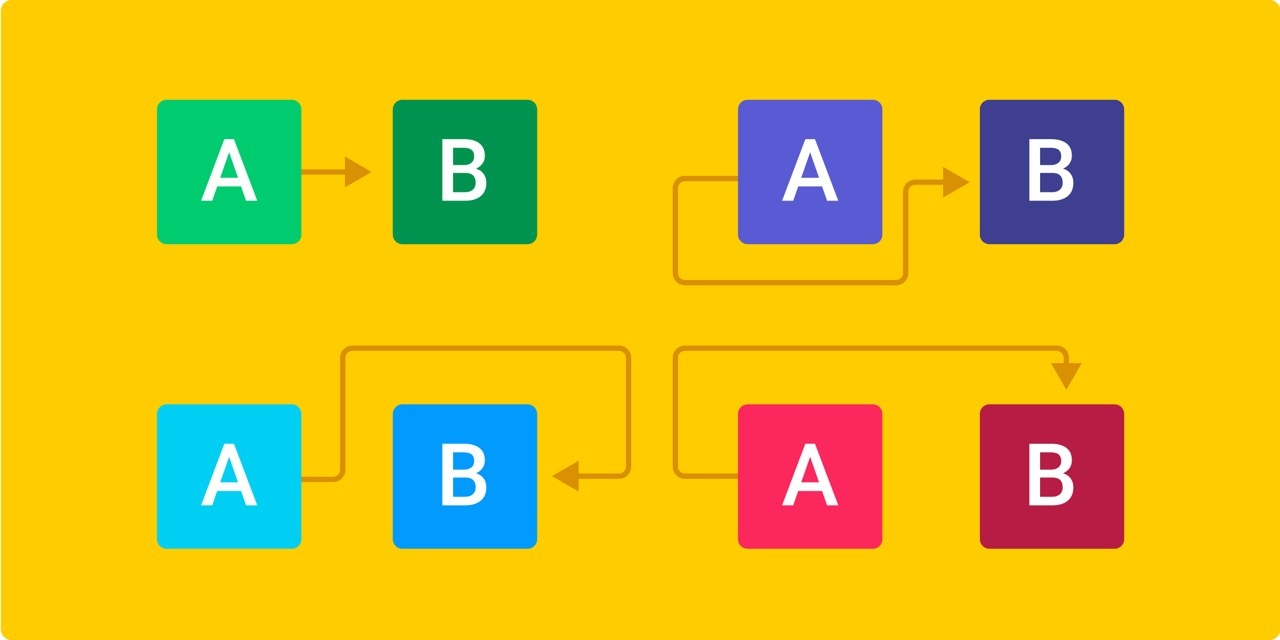
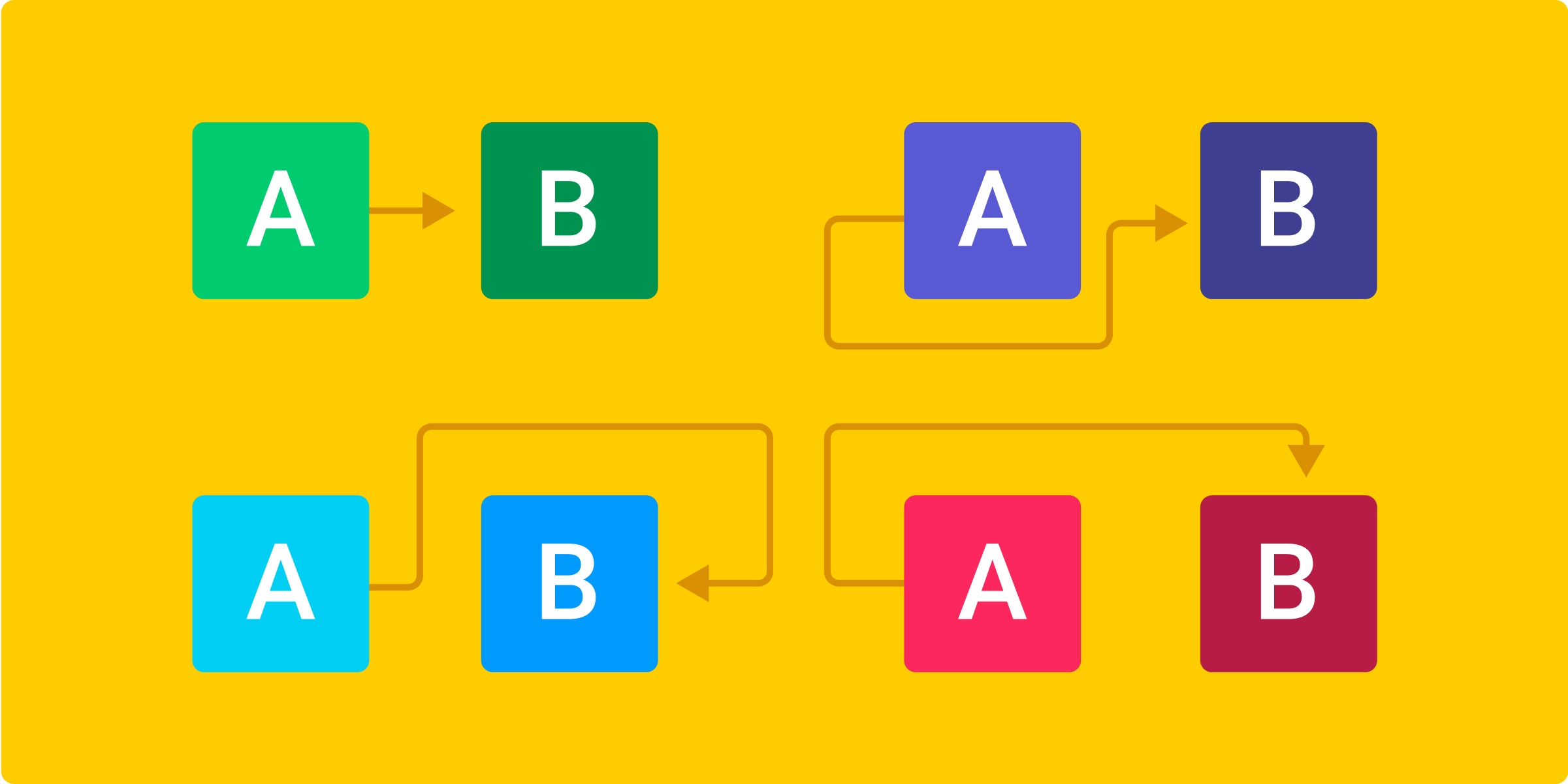
| Finish to start (FS) | Task B can’t begin until Task A is completed | Sequential work where one task fully depends on the output of another | Development must finish before QA testing begins |
| Start to start (SS) | Task B can begin once Task A starts | Parallel work that needs coordination | Testing begins once development starts |
| Finish to finish (FF) | Task B can’t be completed until Task A is completed | Tasks that must finish together | Final documentation completes when development completes |
| Start to finish (SF) | Task B can’t be completed until Task A starts | Handoffs requiring continuous coverage | Night shift can’t end until day shift starts |
Additional ways to classify dependencies
Beyond timing relationships, dependencies can be categorized by their cause or by the teams and resources involved:
- Logical dependencies: Also called causal dependencies, these follow an unavoidable sequence, such as laying foundations before bricklaying.
- Resource dependencies: Tasks require the same person, equipment, or software, which remains unavailable until other work finishes.
- Preferential dependencies: Also known as discretionary dependencies, these reflect stakeholder or team preferences, best practices, or previous experience rather than a required sequence.
- Cross-team dependencies: One department needs another department’s work before it can proceed. For example, sales may need R&D to finish a product feature before offering it to customers.
- External dependencies: Work relies on factors outside the project team’s control, including weather, bureaucracy, or legislation.
Task dependencies and project dependencies
Task dependencies connect individual activities within a project and help determine its schedule. Project dependencies describe broader connections across projects, phases, or programs at the portfolio level.
| Aspect | Task dependencies | Project dependencies |
|---|---|---|
| Scope | Relationships between specific tasks (finish-to-start, start-to-start, etc.) | How tasks and deliverables link together across a project or between projects |
| Granularity | Task-to-task level | Project-to-project or phase-to-phase level |
| Example | Design must be approved before development begins | Mobile app launch depends on completion of API infrastructure project |
| Impact | Day-to-day workflow and task sequencing | Cross-project delivery and strategic milestones |
| Management | Project managers and team leads | Portfolio managers and executives |
| Visibility | Team boards and project schedules | Portfolio dashboards and roadmaps |
How to identify dependencies
Dependency analysis requires practical project knowledge and close attention to individual tasks. Although the process can be lengthy, experience makes it easier to repeat. Follow these four steps.
Step 1: Build a complete task list
Review the project scope and objectives to establish what must be done and in what sequence. A work breakdown structure (WBS) can help identify tasks systematically, including major deliverables.
Estimate the hours required for each task and identify its resources. Use this information to spot high-priority work that may carry more dependencies. Involve several team members to reduce omissions.
Step 2: Connect related tasks
With tasks listed and prioritized, examine each one: what must happen before it starts, and what depends on its completion? Work chronologically, by resource requirement, or by department to uncover cross-functional relationships. A thorough, consistent approach helps minimize downtime and risk.
Step 3: Assign dependency types
Classify each relationship to clarify priorities and sequencing. Finish-to-start may account for most tasks, but check for the other three types too. They reveal which activities can run in parallel and which must follow a specific order.
Step 4: Review the map with the team
Ask the entire team to check the task list, relationships, and classifications for gaps. This review can reveal necessary handoffs and potential delays, while confirming whether the proposed sequence reflects how the team actually works.
Manual mapping is possible but can introduce errors. Project management software provides a visual schedule and can automate handoffs, deadline reminders, and aspects of risk management.
Using automation to manage dependencies
AI and project management automation can reduce manual tracking, leaving teams more time for complex work. Human oversight is still necessary. These capabilities can help by:
- Highlighting risk signals and prioritizing follow-ups.
- Automating repetitive dependency-management workflows.
- Continuously tracking statuses and adjusting plans as needed.
- Reporting potential bottlenecks, critical path risks, and resource-allocation issues before they affect delivery.
- Alerting teams to delayed or at-risk tasks so they can respond before disruption spreads.
The AI dependency and risk mapper agent provides further information on this approach.
Managing dependencies in monday.com
monday.com combines AI, automation, and visual planning tools to help teams track dependencies. Its drag-and-drop boards and different work views let users rearrange tasks while retaining the connections between them.
Visualizing task relationships
Use the Dependency Column to define relationships between board items. Select Flexible, Strict, or No action as the dependency mode, then add a Time Column to connect tasks with deadlines.
Building no-code automations
Automations can use AI to trigger actions when specified conditions are met. For example, teams can send notifications when a dependency delay threatens a deadline. AI blocks can also categorize tasks by dependency to support prioritization.
Monitoring progress and risk
AI-supported reporting and data analytics help teams locate potential risks. Project dashboards show progress, while reporting can reveal early bottlenecks based on patterns in previous dependencies.
Coordinating across teams
A shared platform brings task alerts and project communication together. Cross-board automations connect dependencies with items on other departments’ boards and trigger actions when changes occur. Shared dashboards give stakeholders visibility into status, and communication tools keep teams informed.
Practices that improve dependency management
- Make relationships visible: Use a network diagram, Gantt chart, flowchart, or another visual schedule in project management software.
- Limit unnecessary dependencies: Where possible, simplify scope, split tasks into smaller components, and remove unnecessary work.
- Keep stakeholders informed: Establish clear communication channels so everyone understands dependencies and their consequences.
- Configure alerts: Use AI-powered software and automation to flag resource conflicts, milestone risks, and changes to external dependencies.
- Track changes continuously: Combine dashboards, status tracking, forecasting, and reports to stay aware of delays and changing needs.
- Reuse suitable patterns: Create dependency templates for recurring project types, processes, or industries.
Effective dependency management helps projects stay on schedule and within budget. Built on monday.com Work OS, monday.com offers tools for visually organizing, planning, and tracking those relationships.
Frequently asked questions
What are common examples of project dependencies?
Examples include obtaining budget approval before spending, finishing design before development, completing one team’s work before handing it to another, and receiving vendor materials before assembly begins.
Can one task depend on several others?
Yes. A task might need both design approval and available resources before it starts. Similarly, a new project phase may require several prerequisite tasks to be completed.
How do mandatory and discretionary dependencies differ?
Mandatory dependencies arise from the work itself; discretionary ones reflect preferences or efficiency choices. Software must be coded before it can be tested. By contrast, completing the user interface design before starting backend development is discretionary: that sequence may be more efficient, but the activities could technically run in parallel.
How does monday.com manage complex dependency chains?
Its Gantt chart and timeline features automatically calculate dependencies and map complex relationships visually. AI-powered insights help identify possible bottlenecks and suggest optimization opportunities across connected projects.
What happens if a dependency is broken or delayed?
A delayed dependency requires subsequent tasks in the chain to shift their start dates. This can affect the overall schedule, budget, resources, and deliverables. Platforms such as monday.com offer automated alerts and schedule adjustments to help teams respond proactively and limit the impact.